Research

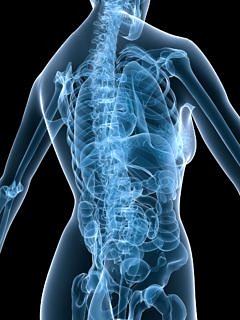
Almost half of the German population is overweight and at risk of developing diabetes or joint disorders such as rheumatism and osteoarthritis. A national project being led by FAU aims to investigate what causes and is related to these highly prevalent diseases.

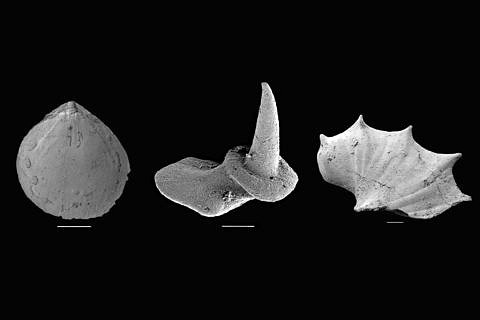
At the end of the Cretaceous, 66 million years ago, a large meteorite impact event caused the most recent of five mass extinction events in the Earth's history. Palaeontologists from the Museum für Naturkunde in Berlin and from FAU have now carried out a detailed investigation of the ecological shifts in the oceans for the first time.

Chemists and physicists at FAU are investigating singlet fission, a process in which one photon excites two electrons

For many of us, once we open a packet of crisps there is no stopping us – we keep eating until it is empty. Food chemists at FAU have now discovered a possible explanation for why some types of food are more tempting than others.

A chain of extinct volcanoes stretches across the Pacific from Hawaii to Kamchatka, suddenly changing direction in the middle. The explanation for this lies in large-scale tectonic changes which took place around 50 million years ago.

Vitamin D has long been known to help fight infections. Researchers have now shown how vitamin D could improve treatment for patients with lymphoma.

Lung cancer is the most common cause of cancer-related death worldwide. FAU researchers have now shown that the immune system can be better prepared to fight tumour cells if the body's production of the messenger substance interleukin 6 is stimulated.

Disposable nappies are easy to use, practical when on the move, and particularly good at keeping the skin dry. FAU researchers are now working with the multinational consumer goods company Procter & Gamble (P&G) to improve the material properties of disposable nappies.