News

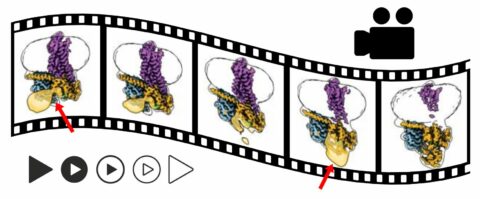
An international team of researchers has succeeded in “filming” the activation of an important receptor. The results, that have now been published in the journal Nature, may lead in the medium term to the development of more effective medicines.

Academic freedom today is not available for 3.6 billion people, or 45.5 percent of the world's population. After a global peak in academic freedom in 2006, the situation today is comparable to circumstances fifty years ago in 1973. This is one of the results of the 2024 Update of the Academic Freedom Index (AFI), which researchers at the FAU have presented.

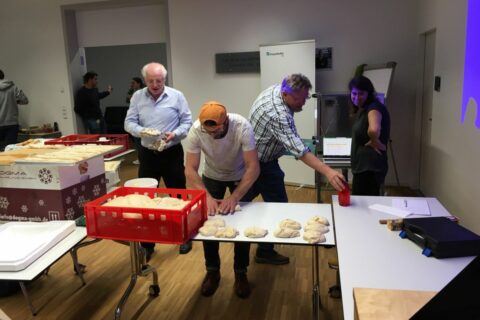
Using solar energy to bake bread? It works! During an advanced seminar in technical development aid at the Chair of Power Electronics, students had the possibility to try out the concept of the solar bakery themselves. The result: roughly 100 baguettes.

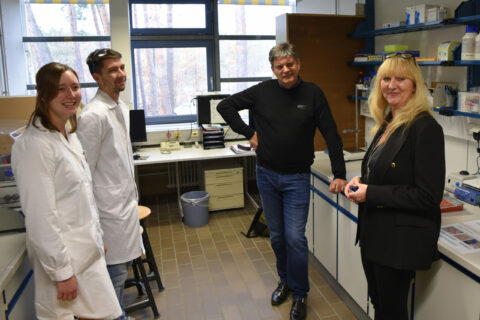
Each semester, FAU president Prof. Dr. Joachim Hornegger sets out to visit professors who have just recently joined FAU. In this episode, the president meets Prof. Dr. Dagmar Fischer's who is in charge of the chair of Pharmaceutical Technology and Biopharmacy. 

Researchers at Friedrich-Alexander-Universität Erlangen-Nürnberg (FAU) and Universitätsklinikum Erlangen have examined a man who has received more than 200 vaccinations against Covid-19. Until now, it has been unclear what effects hypervaccination such as this would have on the immune system.

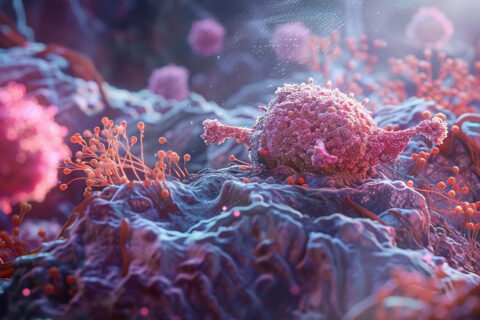
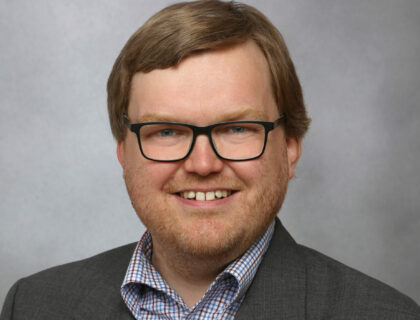
Macrophages that “gorge themselves” on a certain protein may promote the progression of cancer rather than fight it. PD Dr. Heiko Bruns, immunologist at FAU, discovered this mechanism in connection with bone marrow cancer.

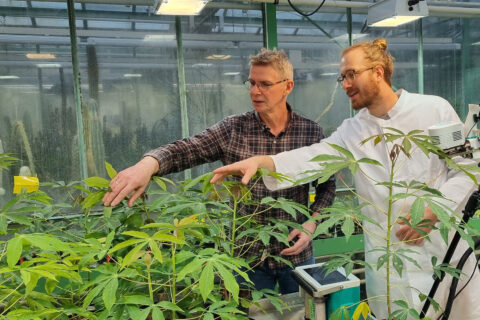
Bill & Melinda Gates Agricultural Innovations (Gates Ag One) is providing 28 million US dollars in funding for an international research project led by FAU: The non-profit organization will support the cassava source-sink (CASS) project in the next five years to improve the productivity of one of the most important food crops in sub-Saharan Africa.

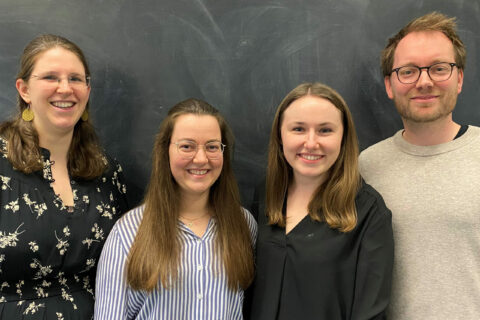
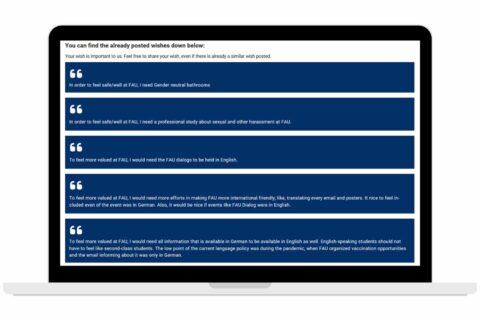
Until March 8, FAU members can use the Wall of Wishes to share what they would like to see at the University in order for them to feel appreciated and safe. How exactly did the Wall of Wishes come about and what happens to all the wishes written on it? Wiebke Witsch and Melanie Kuch explain this and more in our interview.

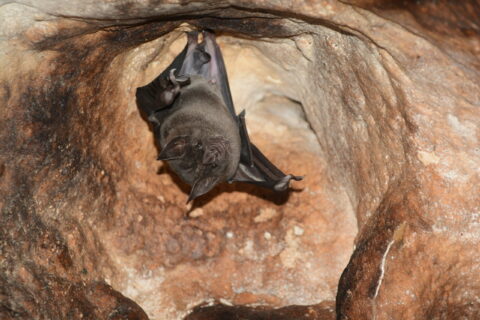
Whether by rubbing themselves with ants or eating grass, many species of animal know what to do if they are sick or have parasites, and this is probably also true of bats. How exactly they fight off viruses and bacteria has not yet been investigated. This will now be the subject of research carried out by Matthias Zürl and Julian Deyerler from the Machine Learning and Data Analytics Lab in conjunction with researchers from Nuremberg Zoo.